
3D printing has transformed how individuals, schools, and businesses approach manufacturing. What once required factories, tooling, and supply chains can now be done on a desktop machine. From rapid prototyping to hobby projects, additive manufacturing empowers creativity at an unprecedented level.
However, with this power comes responsibility.
One of the most common misconceptions among beginners is that anything can—or should—be 3D printed. In reality, many objects pose serious safety, health, legal, or ethical risks when produced using consumer-grade 3D printers and materials.
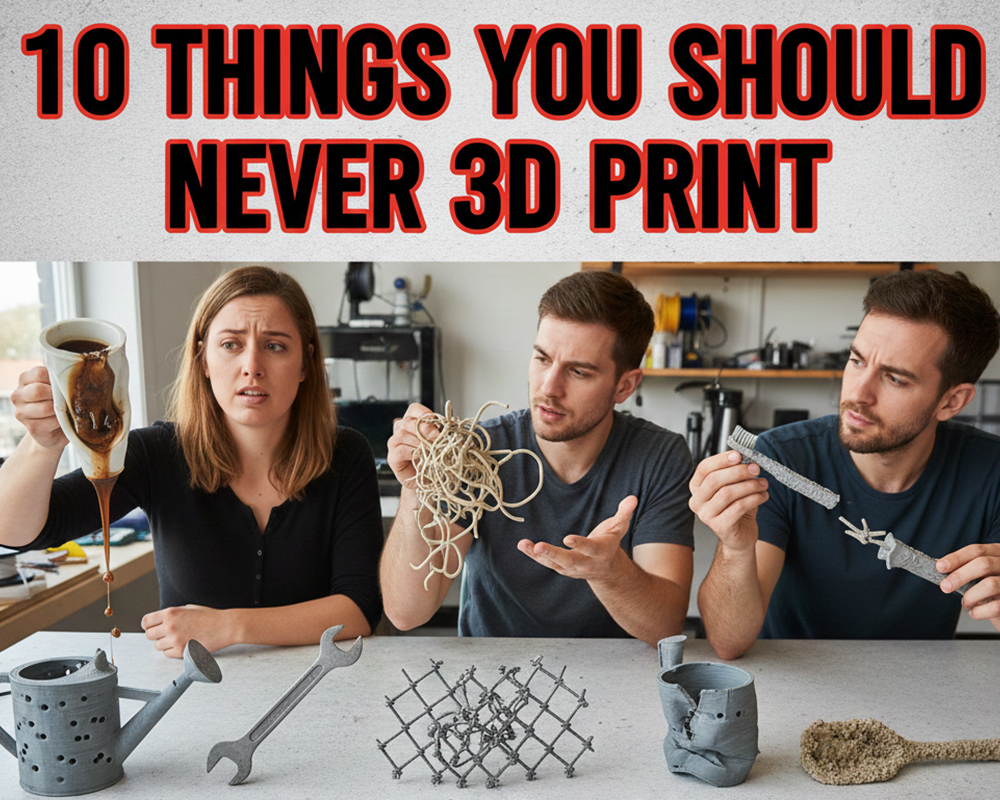
This article explores 10 things you should never 3D print, not to discourage innovation, but to promote safe, responsible, and informed 3D printing practices. Whether you are a beginner or an experienced maker, understanding these limits is essential to avoiding costly mistakes, legal trouble, or physical harm.
Why Some Things Should Never Be 3D Printed
Before diving into the list, it’s important to understand why certain items are unsafe or inappropriate to 3D print.
Consumer 3D printers typically:
- Use materials with limited mechanical strength
- Lack industrial quality control
- Cannot guarantee food safety or biocompatibility
- Are not regulated for critical-use products
- Produce parts with layer-based weaknesses
Ignoring these constraints can lead to structural failure, toxic exposure, or legal consequences. Responsible 3D printing means knowing where creativity ends and risk begins.
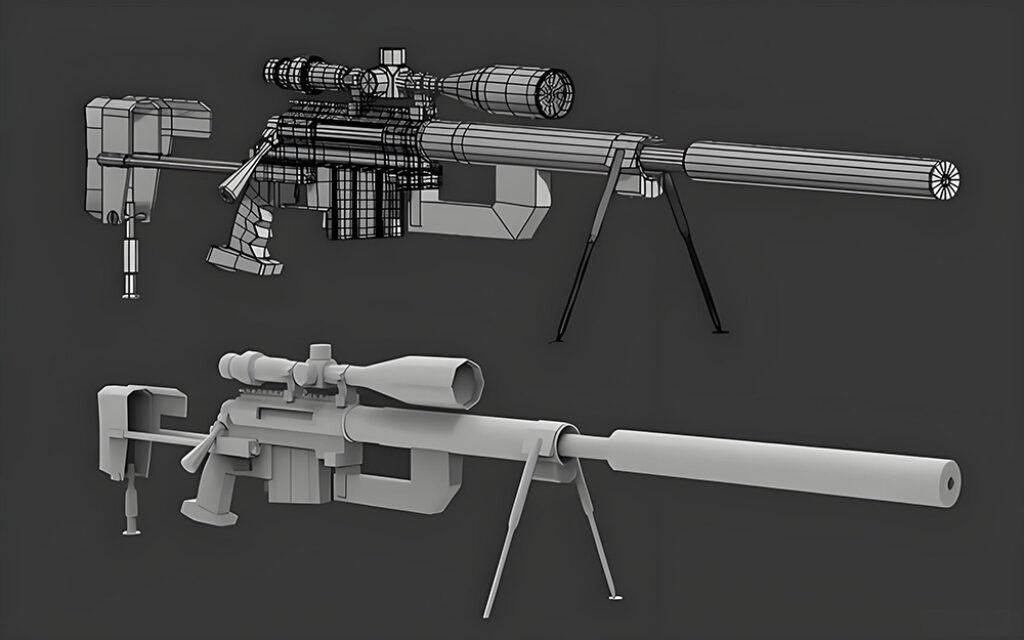
1. Weapons and Weapon Components
One of the most well-known and controversial examples of illegal or prohibited 3D printed items is weapons and weapon parts.
Why This Is Dangerous
3D printed weapons or components:
- Can fail catastrophically under stress
- Pose extreme injury risks
- Bypass regulatory safeguards
- Carry serious legal consequences in many regions
Even when framed as “experiments” or “educational projects,” weapon-related prints often fall under restricted or illegal categories. Beyond legality, the ethical implications alone make this one of the clearest examples of something you should not 3D print.
Key Takeaway
If an object is designed to cause harm, it has no place on a consumer 3D printer.
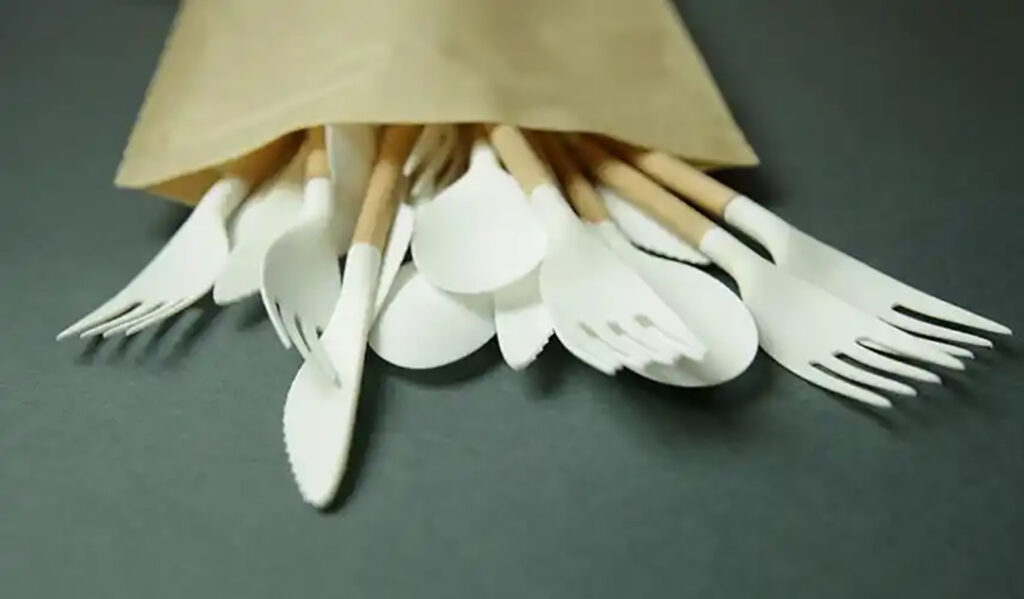
2. Food-Contact Items (Utensils, Containers, Baby Products)
Many people assume that printing a spoon, bowl, or reusable food container is harmless. Unfortunately, food unsafe 3D printed items are one of the most common beginner mistakes.
Why 3D Printed Food Items Are Unsafe
- Layer lines trap bacteria
- Most filaments are not food-safe
- Additives and pigments may be toxic
- Home printers cannot meet hygiene standards
Even materials marketed as “food safe” are only safe under specific manufacturing conditions, which consumer printers do not meet.
High-Risk Examples
- Baby bottles
- Plates and bowls
- Water bottles
- Kitchen utensils
Safer Alternative
Use 3D printing to create molds, holders, or organizers, not items that directly touch food.
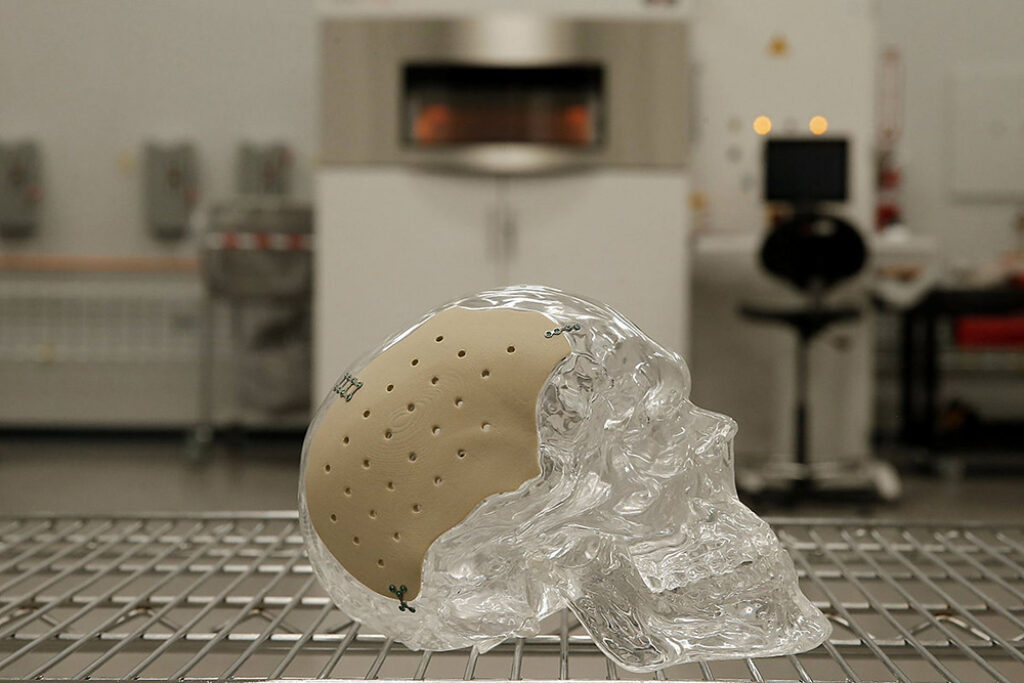
3. Medical Devices and Health-Related Products
The idea of printing medical tools or health-related products at home may sound innovative, but it is extremely risky.
Why Medical 3D Prints Are Dangerous
- No sterility guarantees
- No regulatory approval
- No material biocompatibility testing
- Severe liability risks
Even seemingly simple items like braces, inhaler components, or medical accessories can cause serious harm if they fail or introduce contamination.
Important Distinction
Professional medical 3D printing exists—but it operates under strict regulations, specialized materials, and clinical oversight. Home printing does not.
4. Structural or Load-Bearing Parts
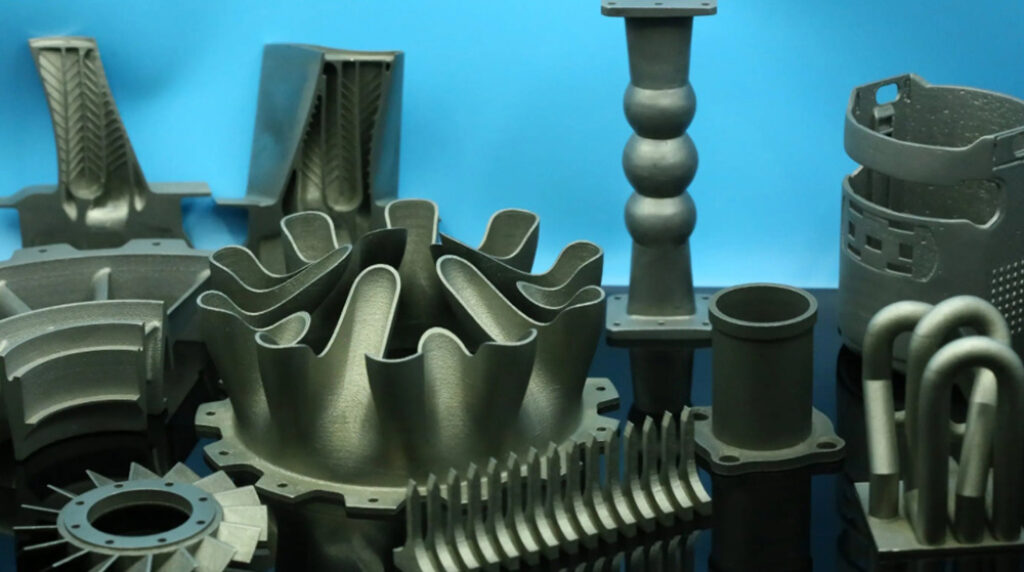
A major misconception in hobbyist 3D printing is assuming that printed plastic parts can replace metal or engineered components.
Why Structural Failure Is Common
- Layer adhesion is weaker than solid material
- Printed parts deform under constant stress
- Temperature and UV exposure degrade strength
- Internal voids weaken integrity
High-Risk Examples
- Ladder steps
- Furniture joints
- Vehicle parts
- Safety-critical brackets
Engineering Reality
Even high-strength filaments cannot reliably replace properly engineered components in load-bearing applications.
5. Children’s Toys and Teething Products
Children’s products require the highest safety standards—and consumer 3D printing simply cannot meet them.
Risks of 3D Printed Toys
- Small parts break off easily
- Sharp edges form from layer separation
- Toxic pigments or additives
- No compliance with child safety regulations
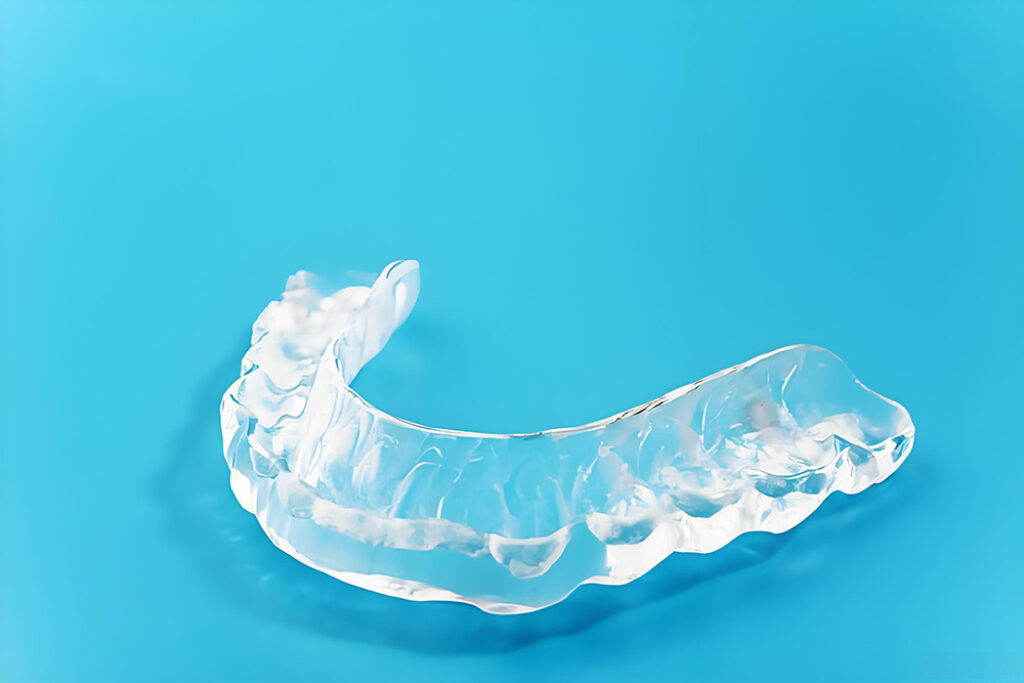
Teething toys are particularly dangerous, as children chew on them, increasing exposure to potentially harmful materials.
Responsible Choice
If an item goes in a child’s mouth, do not 3D print it.
6. Electrical Components and Insulated Parts
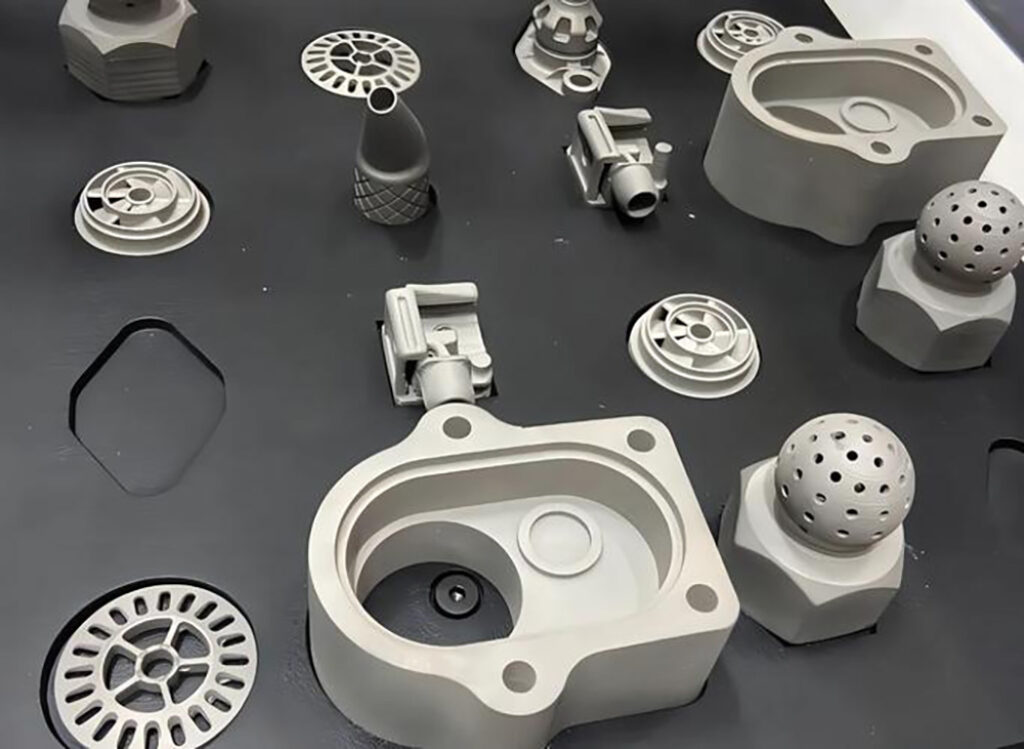
While 3D printed enclosures are common, printing electrical components or insulation parts is risky.
Why Electrical 3D Prints Are Unsafe
- Filaments can melt or deform
- Poor heat resistance
- Fire hazards
- No electrical certification
Even seemingly minor failures can lead to short circuits or fires.
Safer Use Case
Stick to non-critical housings that do not contact live electrical components or high temperatures.
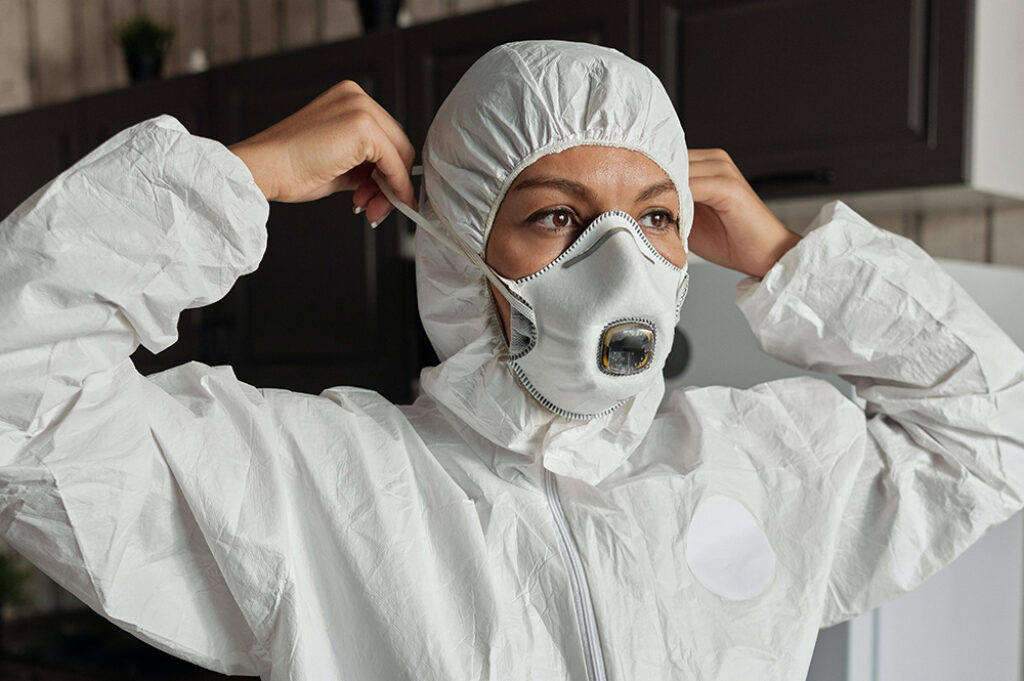
7. Personal Protective Equipment (PPE)
During global emergencies, many makers attempted to help by printing PPE. While well-intentioned, this highlighted a major issue.
Why PPE Requires Certification
- Fit accuracy is critical
- Material performance must be tested
- Failure can cause serious harm
- False sense of safety is dangerous
Uncertified PPE can be worse than none at all.
8. Patented or Copyrighted Products for Sale
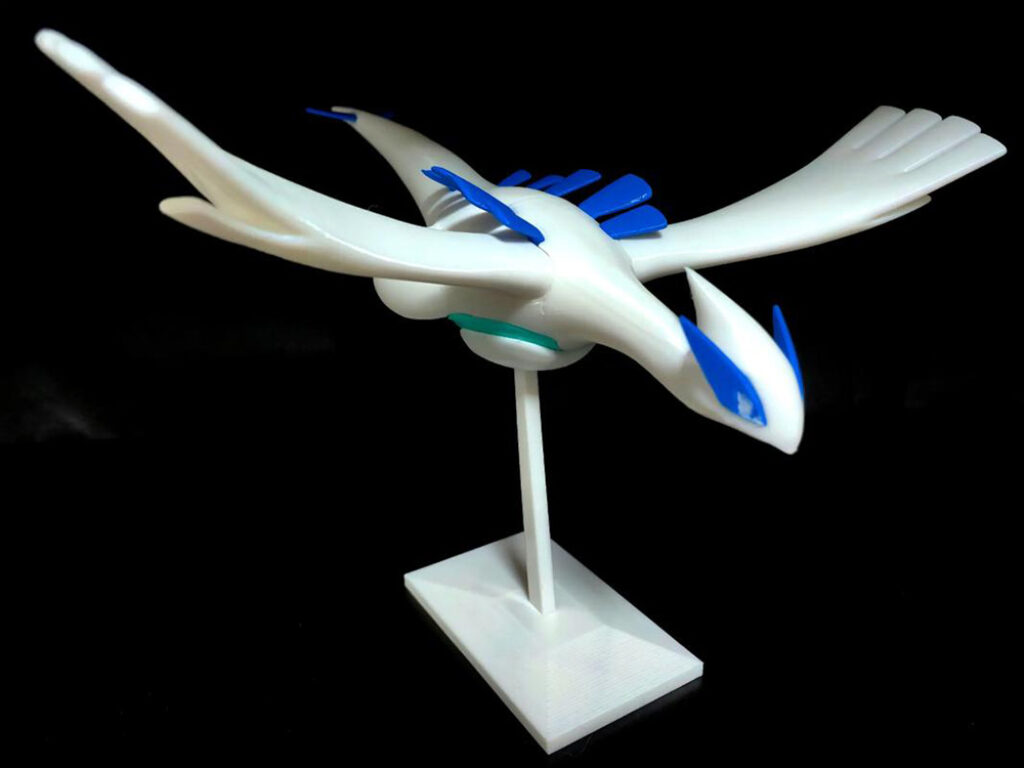
Printing for personal use is one thing. Selling or distributing copyrighted or patented items is another.
Legal Risks of Unauthorized 3D Printing
- Intellectual property violations
- Legal disputes
- Platform bans
- Financial penalties
This includes:
- Replacement parts for branded products
- Character models
- Proprietary designs
Ethical Reminder
Respecting intellectual property is part of responsible 3D printing.
9. High-Temperature or Pressure-Related Items
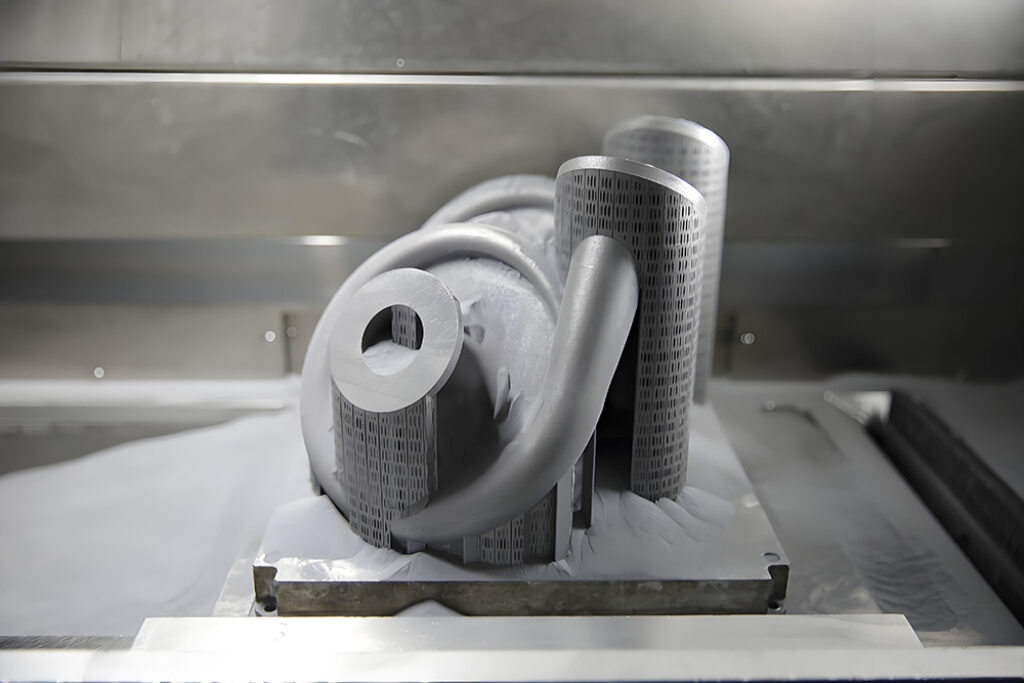
Consumer filaments are not designed for extreme environments.
High-Risk Examples
- Pressure vessels
- Gas fittings
- Engine components
- Heat-resistant tools
Why They Fail
- Material softening
- Layer delamination
- Sudden rupture
Failure in these scenarios is often violent and unpredictable.
10. Safety-Critical Tools and Emergency Equipment
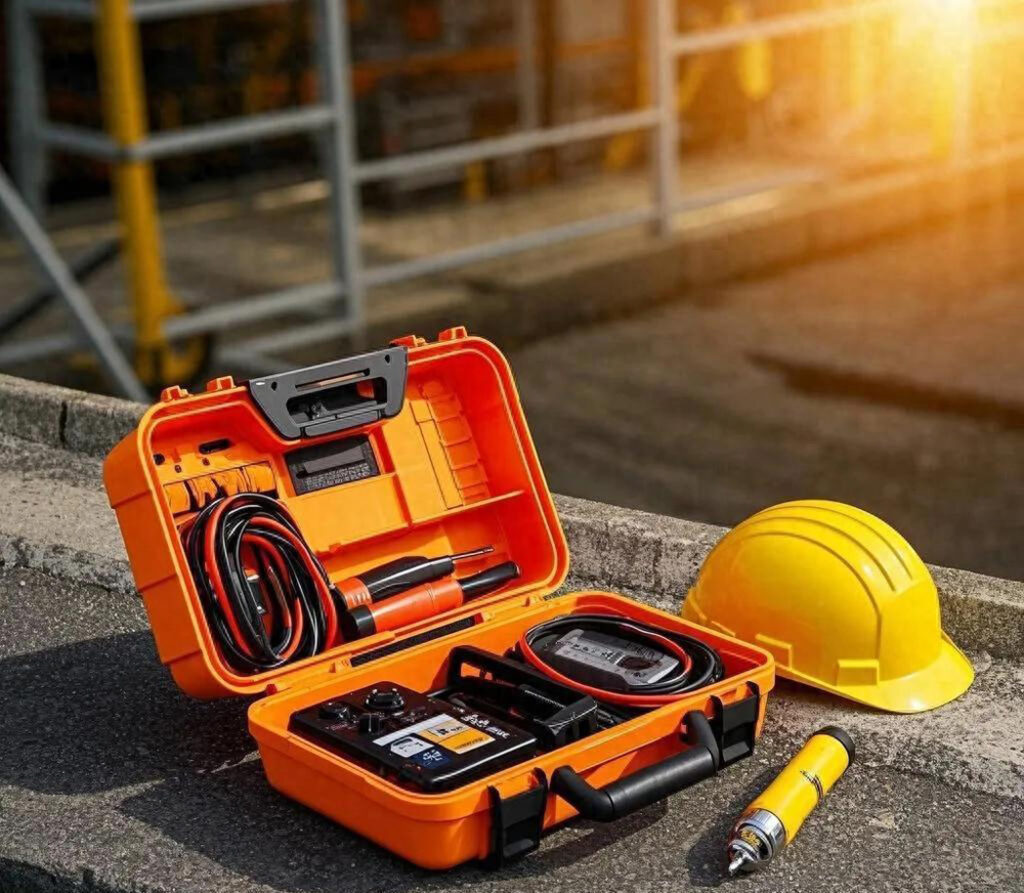
Any item meant to save lives or protect users should never rely on untested prints.
Examples
- Climbing equipment
- Safety harness components
- Emergency tools
- Rescue gear
Why This Matters
When failure equals injury or death, there is no margin for error.
Responsible 3D Printing: What You Should Print Instead
Rather than focusing on limitations, smart makers redirect their creativity toward safer, more appropriate projects:
- Prototypes and concept models
- Organizers and storage solutions
- Decorative items
- Educational models
- Non-critical mechanical parts
Understanding what not to 3D print is just as important as mastering print settings or material selection.
Common 3D Printing Safety Mistakes to Avoid
- Assuming filament labels guarantee safety
- Treating plastic like metal
- Ignoring ventilation needs
- Overestimating part strength
- Skipping post-processing safety checks
Responsible 3D printing is a mindset, not just a skill set.
FAQs: Things You Should Never 3D Print
Is it safe to 3D print everything?
No. Many items pose health, safety, or legal risks and should never be produced with consumer-grade printers.
What are the most dangerous things to 3D print?
Weapons, medical devices, structural parts, and food-contact items are among the most dangerous.
Are 3D printed items safe to use daily?
Some are, but only when they are non-critical, non-toxic, and used as intended.
Why are food-safe filaments still unsafe?
Because printer hardware, layer lines, and additives prevent true food safety.
Can beginners safely 3D print functional items?
Yes—but only low-risk items that do not involve health, safety, or structural responsibility.
What happens if I print illegal items?
Consequences can include fines, legal action, confiscation of equipment, or platform bans.
Final Thoughts: Print Smart, Print Safe
3D printing is a powerful tool—but it is not magic. Understanding its limitations is the difference between innovation and irresponsibility.
By avoiding these 10 things you should never 3D print, you protect yourself, others, and the future of the maker community. Responsible use ensures that 3D printing remains a positive force for creativity, education, and problem-solving.
If you treat your printer with the same seriousness as any manufacturing tool, it will reward you with safe, reliable, and meaningful results.