
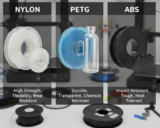
3D printing has reached a point where strength, durability, and engineering-grade performance are no longer considered niche requirements. Designers, ...
 pixenib3d
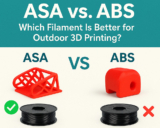
In the world of FDM 3D printing, a handful of materials dominate everyday use. PLA covers the basics, PETG handles general durability, and ABS has long been ...
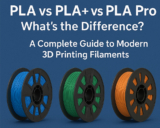
3D printing has evolved rapidly over the past decade, and with it, the variety of materials available to makers, engineers, educators, and manufacturers. ...

3D printers used to be short-term tools—machines you bought knowing something major would fail within a year or two. But modern enclosed CoreXY printers, ...

Choosing a 3D printer today is more challenging than ever. The market is saturated with options that claim speed, precision, automation, or affordability—but ...

Flexible 3D printing materials have become indispensable in product development, functional prototyping, and consumer goods manufacturing. Whether you’re ...

In the ever-expanding world of additive manufacturing, few materials have brought as much versatility and excitement to creators as flexible filaments. Among ...
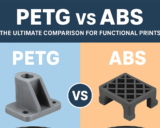
When choosing a filament for functional, load-bearing, or mechanically demanding 3D-printed parts, two materials usually dominate the ...
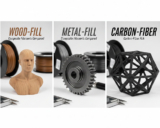
3D printing has evolved far beyond standard PLA and ABS. Today, creators, engineers, makers, and industrial designers often rely on composite ...
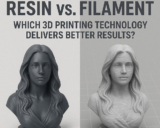
3D printing has evolved from a niche hobby to a mainstream manufacturing method used in engineering, product design, dentistry, jewelry, education, and home ...
- « Previous Page
- 1
- 2
- 3
- 4
- …
- 7
- Next Page »


Great point, Johnson. While the hardware is excellent, the real standout is the combination of hardware, firmware, and software working seamlessly together. The slicing presets, cloud integration, and automatic calibration significantly reduce trial-and-error, which saves a lot of time in real-world use.
Thanks, Mark. The built-in carbon filter does a good job of reducing odors, especially for ABS. While no consumer printer can eliminate emissions entirely, the P1S is one of the better options for indoor use. Proper room ventilation is still recommended for frequent high-temperature printing.
Hi Emily, the AMS is generally very reliable, especially when using high-quality filament. In my experience, most issues come from brittle or poorly wound spools rather than the system itself. With proper filament storage and occasional cleaning, AMS runs smoothly even during long multi-color prints.
Great question, Jason. In long-term testing, the P1S handles high-speed printing very well thanks to its rigid CoreXY structure and active vibration compensation. As long as regular maintenance is performed—such as cleaning the nozzle and checking belts—there’s no noticeable drop in accuracy or reliability over time.