
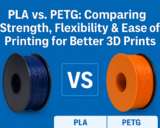
Choosing the right filament is one of the most foundational decisions in 3D printing—one that determines not only the outcome of a single print but also the ...
 pixenib3d
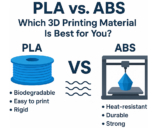
In the world of desktop FDM (Fused Deposition Modeling) 3D printing, few material debates have lasted as long—and remained as relevant—as PLA vs. ABS. ...
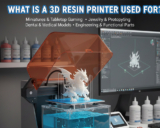
3D printing has expanded beyond hobbyists and engineers into industries such as dentistry, jewelry design, model-making, product development, and even ...
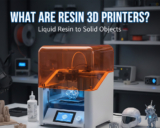
3D printing has evolved rapidly in the past decade, and among all the technologies shaping modern digital fabrication, resin 3D printing stands out ...

In the fast-evolving world of consumer and professional 3D printing, few machines have stirred as much conversation and excitement as the Bambu Lab P1S. ...
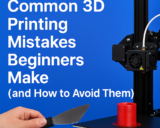
3D printing empowers creators, engineers, and hobbyists to transform ideas into physical objects. Yet, for beginners, achieving consistent results can feel ...
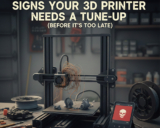
3D printing has revolutionized prototyping, manufacturing, and hobbyist creativity. However, like any precision machinery, 3D printers require regular ...

The world of desktop fabrication has evolved quickly, and modern 3D printers are more capable, more precise, and more reliable than ever before. But even the ...
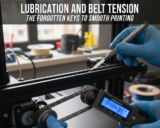
Most 3D printing discussions focus on slicer profiles, nozzle temperatures, filament choice, and hardware upgrades. Yet two of the most influential factors ...

3D printing can be incredibly rewarding—until a print suddenly fails for reasons that don’t seem related to slicing, leveling, or temperature settings. If ...
- « Previous Page
- 1
- 2
- 3
- 4
- 5
- …
- 7
- Next Page »


Great point, Johnson. While the hardware is excellent, the real standout is the combination of hardware, firmware, and software working seamlessly together. The slicing presets, cloud integration, and automatic calibration significantly reduce trial-and-error, which saves a lot of time in real-world use.
Thanks, Mark. The built-in carbon filter does a good job of reducing odors, especially for ABS. While no consumer printer can eliminate emissions entirely, the P1S is one of the better options for indoor use. Proper room ventilation is still recommended for frequent high-temperature printing.
Hi Emily, the AMS is generally very reliable, especially when using high-quality filament. In my experience, most issues come from brittle or poorly wound spools rather than the system itself. With proper filament storage and occasional cleaning, AMS runs smoothly even during long multi-color prints.
Great question, Jason. In long-term testing, the P1S handles high-speed printing very well thanks to its rigid CoreXY structure and active vibration compensation. As long as regular maintenance is performed—such as cleaning the nozzle and checking belts—there’s no noticeable drop in accuracy or reliability over time.