
3D printing has transformed the way individuals and industries design, prototype, and manufacture products. Yet even the most advanced printers—whether ...
 pixenib3d

A level print bed is the foundation of every successful 3D print. Regardless of how advanced your machine is, how precisely you tune your slicer, or how ...
3D printing has reshaped modern prototyping and production—yet even the most advanced printers are vulnerable to a frustrating and unpredictable problem: ...
Any experienced 3D printing enthusiast knows that great results depend on far more than just a finely tuned printer. No matter how advanced your machine is or ...

A 3D printer is only as reliable as the components that push molten filament through its hotend—and the nozzle is one of the most critical parts of the entire ...
3D printing has evolved from a niche hobby into an essential tool used in engineering, rapid prototyping, manufacturing, design, and countless consumer ...

3D printing is a transformative technology that enables the creation of intricate designs with precision. However, one common challenge many users encounter ...

3D printing has revolutionized prototyping, manufacturing, and hobbyist projects. From small desktop models to complex functional parts, 3D printers allow us ...

3D printing is an incredible technology that allows hobbyists, engineers, and designers to bring digital models to life. However, even with the best 3D ...
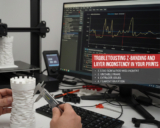
3D printing has revolutionized prototyping, manufacturing, and even hobbyist projects. However, achieving perfect prints consistently can be challenging. ...


Great point, Johnson. While the hardware is excellent, the real standout is the combination of hardware, firmware, and software working seamlessly together. The slicing presets, cloud integration, and automatic calibration significantly reduce trial-and-error, which saves a lot of time in real-world use.
Thanks, Mark. The built-in carbon filter does a good job of reducing odors, especially for ABS. While no consumer printer can eliminate emissions entirely, the P1S is one of the better options for indoor use. Proper room ventilation is still recommended for frequent high-temperature printing.
Hi Emily, the AMS is generally very reliable, especially when using high-quality filament. In my experience, most issues come from brittle or poorly wound spools rather than the system itself. With proper filament storage and occasional cleaning, AMS runs smoothly even during long multi-color prints.
Great question, Jason. In long-term testing, the P1S handles high-speed printing very well thanks to its rigid CoreXY structure and active vibration compensation. As long as regular maintenance is performed—such as cleaning the nozzle and checking belts—there’s no noticeable drop in accuracy or reliability over time.