

In the exciting world of 3D printing, every creation starts with imagination—but sometimes, the process doesn’t go as smoothly as expected. Even with ...
 pixenib3d

In an evolving landscape of accessible 3D printing, the Bambu Lab A1 Mini arrives to completely shake up the compact category. This machine redefines what a ...
In the world of 3D printing, speed and precision rarely go hand in hand. For years, enthusiasts had to choose between a fast printer that sacrificed detail or ...
In the rapidly evolving world of 3D printing, innovation often revolves around one central challenge — balancing speed, precision, and material versatility. ...

When the Bambu Lab P1S Combo was first introduced, it immediately drew attention for blending high-speed CoreXY motion, auto-calibration, and multi-color ...

3D printing has become an essential tool for hobbyists, educators, and professionals alike. From creating intricate prototypes to functional parts, having the ...
When people think of 3D printing, rigid plastic models often come to mind—hard PLA prototypes, sturdy ABS parts, or detailed resin miniatures. However, not ...
In the world of 3D printing, filament materials define the performance, durability, and aesthetics of your final prints. Among the most popular options today, ...
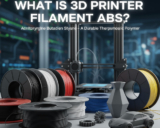
When it comes to 3D printing, not all filaments are created equal. While PLA may dominate the hobbyist scene, ABS filament—short for Acrylonitrile Butadiene ...
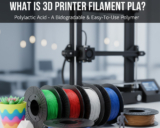
When people first step into the world of 3D printing, one of the first materials they encounter is PLA filament. Known for its ease of use, eco-friendly ...


Great point, Johnson. While the hardware is excellent, the real standout is the combination of hardware, firmware, and software working seamlessly together. The slicing presets, cloud integration, and automatic calibration significantly reduce trial-and-error, which saves a lot of time in real-world use.
Thanks, Mark. The built-in carbon filter does a good job of reducing odors, especially for ABS. While no consumer printer can eliminate emissions entirely, the P1S is one of the better options for indoor use. Proper room ventilation is still recommended for frequent high-temperature printing.
Hi Emily, the AMS is generally very reliable, especially when using high-quality filament. In my experience, most issues come from brittle or poorly wound spools rather than the system itself. With proper filament storage and occasional cleaning, AMS runs smoothly even during long multi-color prints.
Great question, Jason. In long-term testing, the P1S handles high-speed printing very well thanks to its rigid CoreXY structure and active vibration compensation. As long as regular maintenance is performed—such as cleaning the nozzle and checking belts—there’s no noticeable drop in accuracy or reliability over time.