
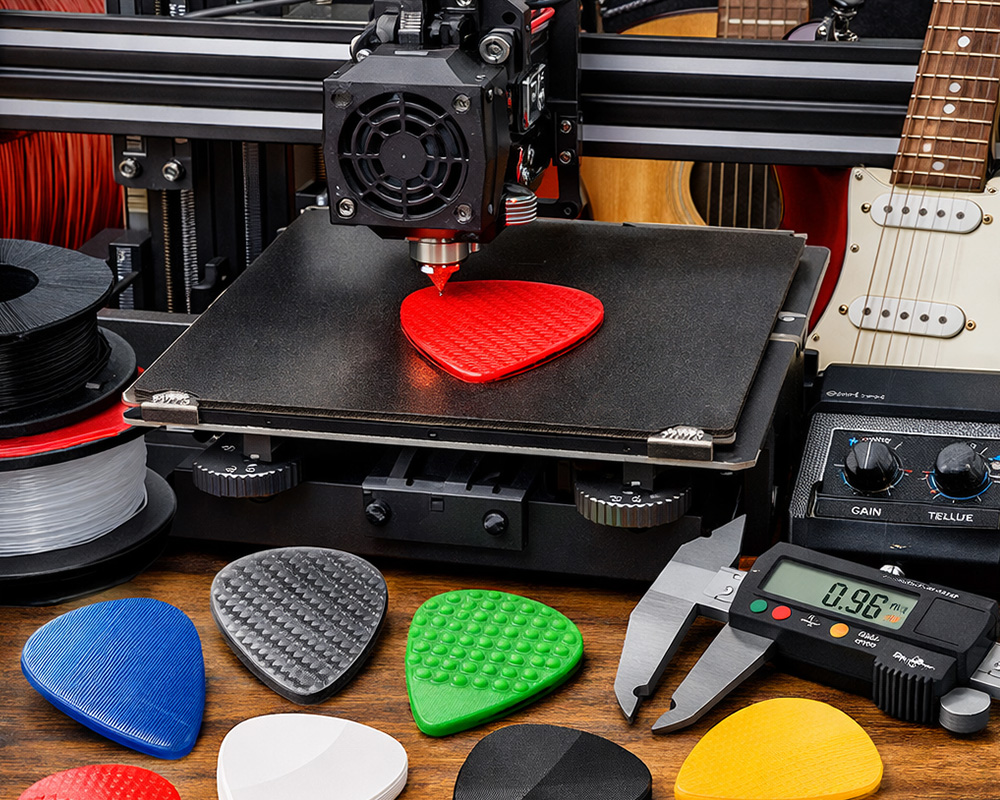
Guitar picks—also known as plectrums—are among the smallest yet most influential tools in a guitarist’s setup. A slight change in thickness, flexibility, or surface texture can noticeably affect tone, attack, and playing comfort. Traditionally, guitar picks are mass-produced from plastics like celluloid, nylon, or Delrin. However, with desktop 3D printers becoming increasingly accessible, many musicians and makers are asking a practical and creative question: Can you 3D print a guitar pick?
The short answer is yes—you absolutely can 3D print a guitar pick. The more important questions are how well does it work, which materials perform best, and whether a 3D printed guitar pick can realistically replace store-bought options. This article explores those questions in depth, from materials and printer settings to sound performance and durability. Whether you are a guitarist looking for a custom feel or a 3D printing enthusiast exploring functional accessories, this guide will help you understand the real-world potential of 3D printed guitar picks.
Table of Contents
- What Is a Guitar Pick and Why It Matters
- Can You Really 3D Print a Guitar Pick?
- Why 3D Print a Guitar Pick Instead of Buying One?
- Best Materials for 3D Printed Guitar Picks
- Designing a Guitar Pick for 3D Printing
- 3D Printer Settings for Guitar Picks
- How Do 3D Printed Guitar Picks Sound?
- Durability and Longevity
- Are 3D Printed Guitar Picks Practical for Everyday Use?
- Legal and Commercial Considerations
- Environmental Considerations
- Frequently Asked Questions (FAQs)
- Final Thoughts
What Is a Guitar Pick and Why It Matters
A guitar pick is more than a simple piece of plastic. Its design influences:
- Tone – Brightness, warmth, and articulation
- Attack – How sharply the string is struck
- Speed and control – Especially for fast or technical playing
- Comfort and grip – Particularly during long sessions
Thickness typically ranges from under 0.5 mm (very thin) to over 2.0 mm (extra heavy). Shape, bevel, and material all contribute to how a pick behaves against the strings. Because of this sensitivity, guitarists often spend years searching for “the perfect pick.”
3D printing introduces a new possibility: customization without mass manufacturing. Instead of adapting your playing to a pick, you can adapt the pick to your playing style.
Can You Really 3D Print a Guitar Pick?
Yes, a guitar pick can be successfully produced on most consumer-grade 3D printers. From a technical standpoint, a pick is an ideal object for 3D printing:
- Small size
- Minimal material use
- Short print time
- Simple geometry
However, printability does not automatically equal playability. While almost any printer can produce a pick-shaped object, the challenge lies in achieving the right balance of flexibility, strength, and surface feel.
When done correctly, a 3D printed guitar pick can be:
- Fully functional
- Customizable in thickness and shape
- Surprisingly durable (depending on filament choice)
When done poorly, it may feel brittle, slippery, or inconsistent.
Why 3D Print a Guitar Pick Instead of Buying One?
1. Custom Thickness and Shape
Commercial picks come in standardized sizes. With 3D printing, you can fine-tune thickness in increments as small as 0.05 mm, experiment with hybrid shapes, or create asymmetric designs for different playing angles.
2. Personalized Grip Texture
Slipping picks are a common frustration. A 3D printed guitar pick can include:
- Raised grip patterns
- Textured surfaces
- Finger-contour indentations
3. Rapid Prototyping
You can test multiple designs in a single afternoon. Adjust, reprint, and compare without waiting for shipping or buying multipacks.
4. Cost Efficiency for Custom Designs
Once you own a printer, each pick costs only a few cents in filament, making experimentation affordable.
5. Accessibility and Convenience
Lost your favorite pick at midnight? You can print a replacement in minutes.
Best Materials for 3D Printed Guitar Picks
Material choice is the single most important factor in determining how a 3D printed guitar pick performs.
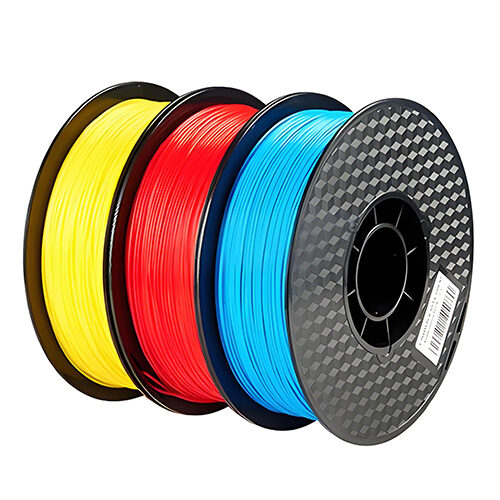
PLA Guitar Picks
PLA is the most common 3D printing filament.
PLA guitar picks work best for:
- Light to medium strumming
- Acoustic guitars
- Players who prefer a stiff feel
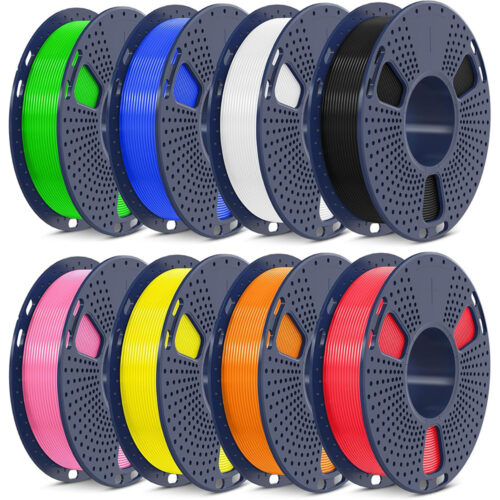
PETG Guitar Picks
PETG offers a balance between rigidity and flexibility.
PETG is a strong all-purpose choice for 3D printed guitar picks.
ABS Guitar Picks
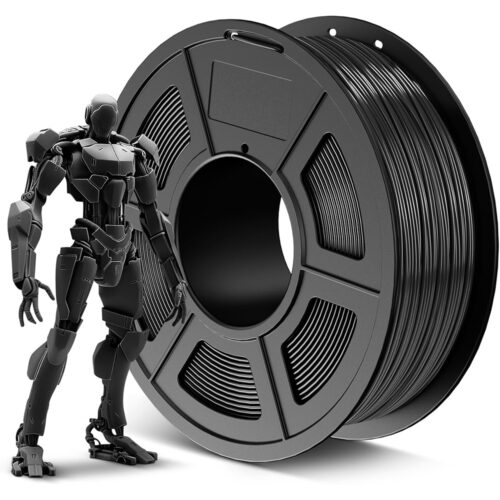
ABS is tougher but more difficult to print.
ABS can work well but is less commonly used for guitar picks compared to PETG or nylon.
Nylon Guitar Picks
Nylon closely resembles many professional commercial picks.
Nylon is often considered the best filament for guitar picks if your printer can handle it.
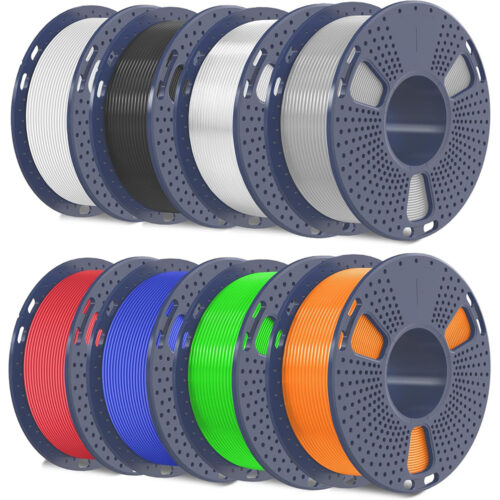
TPU and Flexible Filaments
TPU allows for highly flexible guitar picks.
Flexible filament guitar picks are niche but useful for specific styles or experimental sounds.
Designing a Guitar Pick for 3D Printing
Thickness
Thickness strongly affects tone and control.
- 0.5–0.7 mm: Light strumming, flexible feel
- 0.8–1.0 mm: Balanced and versatile
- 1.2 mm and above: Precision, speed, and heavier attack
3D printing allows incremental adjustments rather than fixed categories.
Shape
Common shapes include:
- Standard teardrop
- Jazz-style small picks
- Triangular picks
Custom shapes can combine rounded and sharp edges in one pick.
Bevel and Edge Geometry
A beveled edge reduces string resistance and improves speed. This can be modeled directly into the STL file rather than relying on post-processing.
Grip Features
Raised dots, crosshatching, or recessed thumb areas significantly improve control, especially with smoother filaments.
3D Printer Settings for Guitar Picks
While settings vary by printer and filament, general guidelines include:
- Layer Height: 0.1–0.2 mm for smooth edges
- Infill: 100% (solid) for consistent stiffness
- Nozzle Size: 0.4 mm standard; smaller nozzles improve detail
- Print Orientation: Flat on the bed for maximum strength
- Cooling: Moderate cooling for clean edges
Post-processing such as light sanding or polishing can further refine feel and tone.
How Do 3D Printed Guitar Picks Sound?
Tone differences are subtle but noticeable to experienced players.
- PLA: Bright and articulate
- PETG: Slightly warmer, smoother attack
- Nylon: Balanced and professional-sounding
- TPU: Muted, softer tone
While 3D printed picks may not perfectly replicate premium commercial materials, many players find them more than acceptable—especially when customized.

Durability and Longevity
Durability depends on filament choice and playing style.
- PLA picks may wear quickly with aggressive playing
- PETG and nylon picks last significantly longer
- Edge wear can be minimized through bevel design
For many users, a 3D printed guitar pick lasts as long as or longer than inexpensive store-bought picks.
Are 3D Printed Guitar Picks Practical for Everyday Use?
Yes, with realistic expectations.
They are excellent for:
- Custom experimentation
- Practice and rehearsal
- Backup picks
- Personalized gifts
Professional touring musicians may still prefer factory-made picks for consistency, but even they can benefit from 3D printed prototypes.
Legal and Commercial Considerations
- Printing guitar picks for personal use is legal
- Selling 3D printed guitar picks is allowed if designs are original
- Avoid copyrighted or trademarked shapes from commercial brands
Environmental Considerations
3D printing reduces packaging waste and allows on-demand production. Using biodegradable filaments like PLA further lowers environmental impact, though durability trade-offs exist.
Frequently Asked Questions (FAQs)
Are 3D printed guitar picks good?
Yes, when printed with appropriate materials and settings, they are fully playable and customizable, though feel and tone vary by filament.
What is the best filament for guitar picks?
Nylon is often considered the best overall, followed closely by PETG for ease of printing.
Do 3D printed guitar picks damage strings?
No, properly printed picks with smooth edges are safe for strings.
How long does it take to 3D print a guitar pick?
Most guitar picks print in 5–15 minutes.
Can beginners 3D print guitar picks at home?
Yes. Guitar picks are beginner-friendly projects that require minimal material and setup.
Are 3D printed picks better than store-bought?
They are not universally better, but they excel in customization and experimentation.
Can you sell 3D printed guitar picks?
Yes, provided the design is original and does not infringe on existing trademarks.
Final Thoughts
So, can you 3D print a guitar pick? Absolutely. More importantly, you can create a guitar pick that reflects your playing style, grip preference, and tonal goals in ways mass-produced picks rarely allow.
While 3D printed guitar picks may not replace every commercial option, they represent a powerful intersection of music and maker culture. For guitarists who value customization and for 3D printing enthusiasts seeking functional projects, printing guitar picks is both practical and rewarding.
In a world where personalization is increasingly valued, the humble guitar pick has quietly become one of the most compelling examples of what desktop manufacturing can achieve.